
Advantages and Disadvantages of Shutters
15th May 2025
0 min read
15th May 2025
0 min read
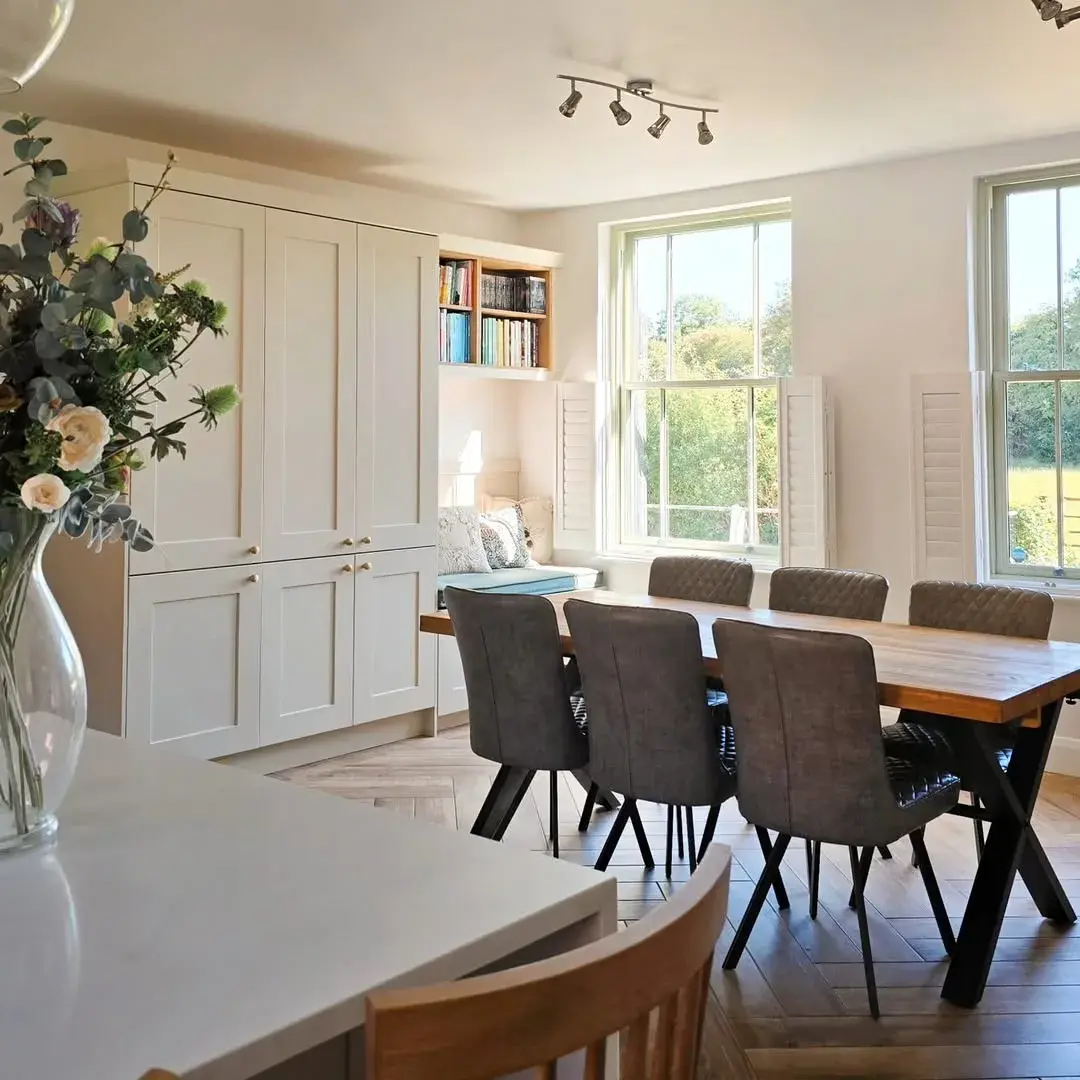
When it comes to upgrading your home’s interior, few things make as much of an impact as your window dressings. Window shutters have soared in popularity across the UK, moving from a luxury niche to a mainstream favourite. However, like any home investment, they come with their own set of pros and cons.
Before you take the plunge into the world of DIY shutters, it is worth weighing up exactly what they offer and where the potential drawbacks lie.
The biggest advantage of shutters is their flexibility. Unlike curtains or roller blinds, which are usually either "open" or "closed," shutters allow for a middle ground. By tilting the slats (louvres), you can direct sunlight away from your TV screen or furniture while still keeping the room bright. Simultaneously, you can angle them so that passers-by can’t see in, but you can still see out.
Wooden shutters act as a natural barrier. In the winter, they provide an extra layer of insulation that traps heat inside, significantly reducing drafts from older windows. In the summer, closing the slats reflects the sun's rays, keeping your living space remarkably cool.
Fabric fades, strings on blinds tangle, and rollers eventually lose their tension. Because shutters are a solid, structural addition to your window frame, they are built to last for decades. They don't fray or tear, and they are incredibly easy to keep clean with a simple wipe.
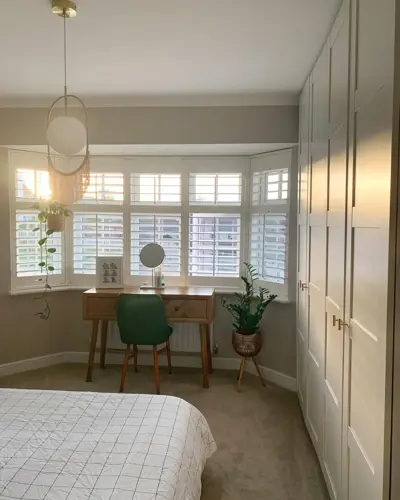
Credit @new_build_forever_home
There is no denying that shutters are more expensive upfront than a standard set of Venetian blinds or off-the-shelf curtains. They are a premium product made from high-quality hardwood. However, many homeowners view this as an investment rather than an expense, as they rarely ever need replacing.
Because every single DIY shutter is made-to-measure to your exact millimetre specifications, they aren't an "instant" fix. From the moment you order, there is a manufacturing and shipping period. If you need a window covering by tomorrow morning, shutters likely aren't the solution, but for those willing to wait, the result is a perfect, bespoke fit.
Lead times vary depending on the product you choose:
Shutters are fixed to your window frames. While this is a benefit for home value, it does mean you can’t easily "swap them out" if you change your mind about your room’s colour scheme next month. This is why we generally recommend classic whites, off-whites, or natural wood stains that stand the test of time.
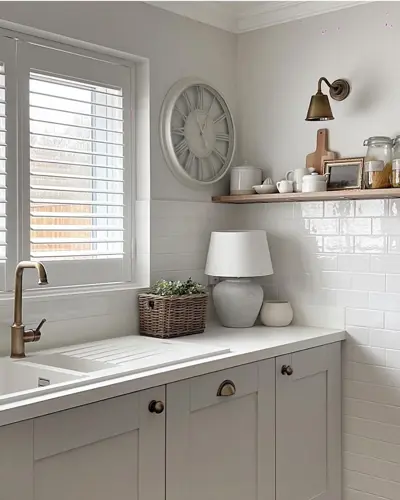
Image credit: @the_woodland_warkworth
Many of the traditional "disadvantages", specifically the high price, are associated with full-service installation companies. By choosing the DIY route, you eliminate the biggest cost: the professional labour.
You receive the exact same premium materials and the same precision manufacturing, but by spending an hour or two with a screwdriver yourself, you keep the "installation premium" in your own pocket.
If you value privacy, energy efficiency, and a high-end aesthetic that lasts for years, the advantages of shutters far outweigh the negatives. They are a permanent upgrade that transforms the "feel" of a room in a way that fabric simply cannot match.