
How to Clean Your Shutters
31st January 2025
3 min read
31st January 2025
3 min read

One of the greatest benefits of choosing shutter blinds over curtains or fabric blinds is how incredibly low-maintenance they are. Because they are a solid joinery product made from high-quality hardwood or faux wood, they don’t trap dust, absorb odours, or fray at the edges.
However, a little bit of care goes a long way in ensuring your shutters function perfectly for decades. Here is our expert guide on how to clean and maintain your DIY shutters to keep them looking showroom-fresh.
Unlike curtains, which require expensive dry cleaning, or horizontal blinds with fiddly strings, shutters are a dream to clean.
Over several years of daily use, you might notice that a slat feels a little "loose" or doesn't stay at the exact angle you want. This is completely normal as the components settle over time. Every DIY Shutter panel features a tension screw hidden on the side of the shutter stile (the vertical frame).
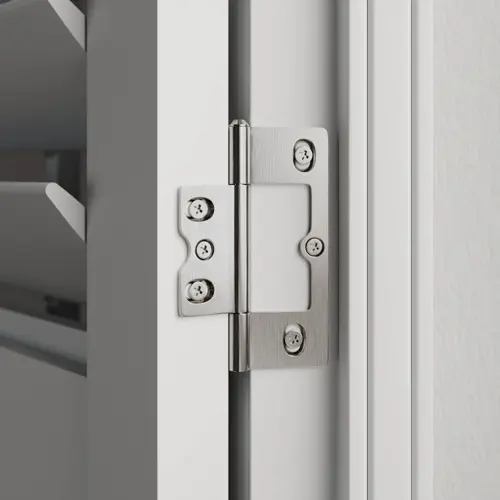
Our shutters use high-quality, corrosion-resistant hinges. To keep the panels swinging smoothly:
Check the pins: Once a year, just check that the hinge pins are fully seated. If a panel feels like it's "dropping" slightly, it usually just means a screw needs a quick tighten with a manual screwdriver.
The paint and stain finishes on our shutters are designed to be UV-resistant and durable. You should never use bleach, abrasive scouring pads, or "furniture polish" sprays on your shutters. These can break down the protective topcoat and lead to discolouration over time. Plain water or a very mild soap is all you will ever need.
To prevent unnecessary wear and tear, always try to adjust the slats using the tilt rod (if your design has one) or by moving a slat in the middle of the bank. This ensures the pressure is distributed evenly across the internal linkage. When opening the panels to clean the windows, ensure the slats are closed flat first so they don't catch on the window handles.
Because you’ve chosen the DIY route, you already know exactly how your shutters are put together. This makes maintenance even easier. By following these simple steps once or twice a year, your shutters will remain a beautiful, functional feature of your home for a lifetime.